What is an IUD?
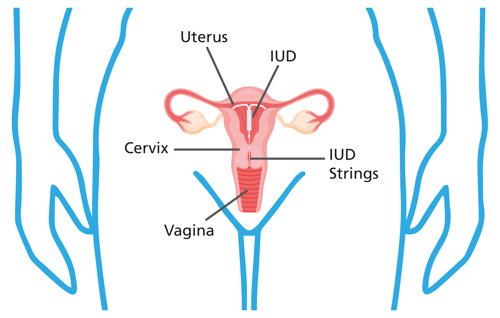
An IUD is a long-acting, reversible form of contraception which is put inside your uterus to prevent pregnancy. Some IUDs can also help with heavy periods or period pain. The IUD is over 99% effective at preventing pregnancy and can last between 3-8 years. A nurse, doctor or GP, or trained practitioner (e.g. some midwives) will need to insert the IUD for you.
Sexual Wellbeing Aotearoa has in depth information about IUDs, as well as information about insertion and removal.
Te Whatu Ora/Health New Zealand also has detailed information about the different kinds of IUDs and their uses, the advantages as well as the risks.
Where can I get an IUD from?
You can get an IUD from your GP/medical practice, Sexual Wellbeing Aotearoa, or standalone sexual health clinics.
Protected and Proud has a nationwide map of service providers if you want to shop around.
Is there a cost?
The short answer is: usually, yes.
Whilst most of the IUD devices themselves are now funded by the government, there is often an insertion or removal fee. The amount usually depends on which provider you choose as they set their own fees, and it can vary based on location. If cost is a factor for you, make sure you ask the provider what their fees are or if you can access fully funded or low cost services.
Some examples of cost are below:
- Sexual Wellbeing Aotearoa (formerly Family Planning) – charge $65 for a 45 minute appointment. Sexual Wellbeing Aotearoa have clinics nationwide, though we know anecdotally there might be wait times to get an appointment.
- Most GPs will charge an insertion fee – this can range anywhere between $90 – $450.
- Providers should offer IUD insertion for free or low cost if you have a Community Services card; are under 25; are Māori or Pacific; have low or no income; or if a pregnancy would put you at risk of poor outcomes (e.g. if you have mental health or addiction challenges).
Key things to know before getting an IUD:
This information is based on Women’s Health Action’s research into IUD experiences (see section below).
- IUD insertion is a very safe procedure, but for some people it can be invasive, and/or moderately to severely painful.
- A lot of people don’t feel properly informed by healthcare providers about the potential pain that’s connected with the procedure.
- You may only be offered or advised to take Panadol before the procedure, but if you are worried about pain, it’s important that you raise this with the healthcare provider and ask what other options are available to you. This is an important part of making an informed decision about whether this type of contraception is right for you.
- It’s normal to feel some discomfort a day or two after the procedure, but if this lasts up to 1 week or longer, it’s important that you reach out to the provider to make sure everything is ok.
IUD Experiences in Aotearoa
2024 Survey Report
Every year, around 10,000 people choose to use an intrauterine device (IUD) (Sexual Wellbeing Aotearoa, 2024). Whilst most people experience little to no complications when using an IUD, there has been increased reporting of people experiencing significant pain, unexpected side effects, and feeling dismissed by medical professionals.
In 2024, Women’s Health Action undertook a research project to better understand people’s experiences with IUDs in Aotearoa. We had 304 responses to our online survey.
This report explores the diverse experiences of individuals regarding IUDs, drawing from survey responses that highlight physical, mental, and emotional aspects of care. Through the voices of respondents, this report sheds light on the challenges and successes in accessing IUDs, with a focus on healthcare communication, pain management, and informed decision-making. The findings underscore the critical need for patient-centred care and systemic improvements in reproductive healthcare to better meet the needs of all IUD users.
This report represents stage one of an ongoing project. The data in this report will help shape future discussions between Women’s Health Action and the wider healthcare sector. We intend to work in partnership to develop recommendations to improve people’s experiences and support health systems’ responses to these often traumatic experiences.