Here is some key information about trans, non-binary, takatāpui and gender diverse health. We have collated this information across our website into this one space, to make finding inclusive health information more accessible This information is embedded across several pages on our website.
Takatāpui Family Support – A Guide to Parenthood, Fertility and Wellbeing
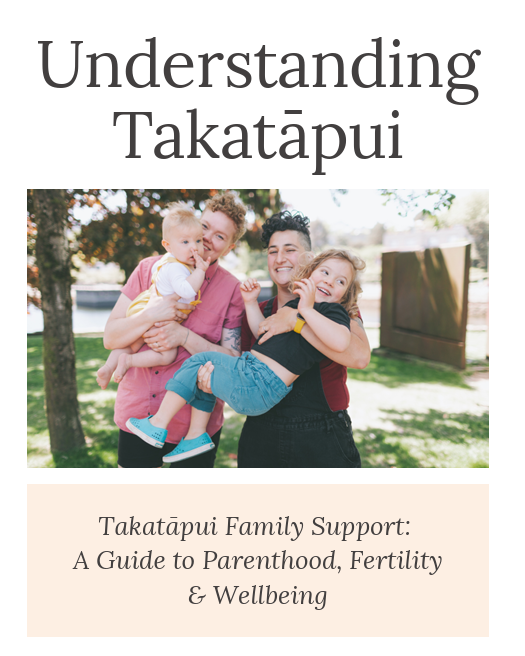
Download here or click the photo below.
This guide is for takatāpui and rainbow whānau navigating parenthood in Aotearoa. Whether you’re exploring fertility options, preparing for pēpi, or parenting in systems that don’t always reflect who you are, this guide offers practical tools and affirming support to help you on your journey.
Many takatāpui parents face extra challenges when it comes to starting and growing whānau—from being misgendered in healthcare, to struggling to access inclusive services, to navigating family expectations. This guide centres takatāpui experiences, honour’s cultural identity, and affirms that you belong in every space you walk into—as a parent, as Māori, and as yourself.
What you’ll find inside:
- Inclusive pathways to parenthood
- Pregnancy and birthing guidance
- Mental health and body image support
- Infant feeding and pēpi care
- Coping with stigma and navigating systems
- Building confidence and connection
The Perinatal Period – pregnancy, birth, and post partum
Pregnancy when you’re transgender in Aotearoa New Zealand
This information included in this section has not been written to provide anybody with medical advice. Instead it has been written to collaborate and explain the existing research on transgender pregnancy and lactation in an Aotearoa New Zealand context. If you are considering having a pregnancy and are transgender you should speak with your GP, endocrinologist, sexual health nurse or surgeons to discuss how this process can be made empowering, positive and supportive for you.
The information in this resource has been reviewed by Associate Professor Dr Gareth Treharne from the Department of Psychology, Otago University. It was written by Scout Barbour-Evans from Otago Polytechnic’s Bachelor of Leadership for Change.
Pregnancy can bring up a lot of feelings about your gender, so it is important to make sure you have access to good mental health care before, during, and after your gestation.
It may be helpful to choose a midwife (or doctor) while you are still planning your pregnancy. In Aotearoa New Zealand you do not need to stay with the first Lead Maternity Carer (LMC) you find – it is your choice who cares for you through your pregnancy. It may be helpful to ask questions about their existing knowledge about gender identity and their willingness to learn. Other transgender people in your area, or staff at your local Sexual Wellbeing Aotearoa (formerly Family Planning) clinic might be able to recommend a good LMC for you.
Having a good birth plan can ensure your wishes are followed during your labour, and that you are referred to in ways that affirm your gender and make it a positive experience.

Rainbow/takatāpui support for parents
Repromed is an LGBTQIA+ friendly fertility clinic and health care provider in Aotearoa.
EMPWR offer holistic antenatal classes celebrating the LGBTQIA+ community. Taught by registered midwives, and an IBCLC lactation consultant. They also have a range of helpful resources on pregnancy and birth here.
PADA (Perinatal Anxiety and Depression Aotearoa) also have a range of resources for rainbow parents.
Imperfect Parents offer inclusive parents’ groups, play groups, and antenatal classes for rainbow whānau across Auckland, as well as WhatsApp support groups for solo parents, separating parents, gender-non-conforming parents and queer parents more generally.
Legal issues for transgender parents
Every region in Aotearoa New Zealand has different approaches to caring for transgender people, so it can be helpful to contact your hospital’s patient affairs representative to gain an understanding of how your access to pregnancy related services and tests might be affected if you have male/indeterminate gender markers on your records.
At the time of publication of this information, the person who gives birth cannot be recorded as the “father” on a child’s birth certificate, and birth registration forms do not allow you to choose your title. You can contact the Department of Internal Affairs directly on 0800 22 52 52 to discuss this and in some cases they will issue a birth certificate naming you as the “parent” instead.
Fertility for transgender people
Nobody knows how taking hormones might change a person’s fertility, or ability to create a foetus and carry to term. What is known is that testosterone during pregnancy can harm a growing foetus, so it is suggested in limited research from Canada that you stop this medicine before trying to have a baby. This can be a distressing time for some transgender people and has the potential to increase feelings of identity loss, body dysmorphia, and other associated mental health issues. It is important to keep regular contact with your LMC or health practitioner to monitor these symptoms and side effects so that help can be attained before escalation. The health of a baby is so important, but so is the health of the parent. You matter too.
In New Zealand you can access free services to freeze your sperm or eggs before you go through certain medical procedures. If you have testicles, you can freeze sperm before you start any hormone therapy. If you have ovaries, you can freeze eggs before you have any surgeries on your uterus or ovaries. You should ask your GP, endocrinologist, sexual health nurse or surgeon for a referral to these services.
Taking testosterone or estrogen does not stop you from becoming pregnant or making somebody else pregnant.
If you are having any sort of sex while on testosterone or estrogen which could cause a pregnancy, you need to use an appropriate barrier such as a condom. You could also speak to a sexual health nurse about other forms of contraceptive medicine.
Chestfeeding
Chestfeeding is feeding your baby from your chest. It’s often used as a way for transgender, nonbinary or gender diverse parents to describe how they feed and nurture their babies after childbirth by feeding them milk from their chest, used in place of “breastfeeding.” Some people also similarly use the word bodyfeeding. Chestfeeding can also refer to using a feeding tube attached to the nipple to feed their baby if lactation isn’t possible.
Asking people what language they would like to use is a way for clinicians to provide culturally safe and gender affirming care. All people should have equitable opportunity to access healthcare that meets their needs. Plenty of research supports why this is important. The Counting Ourselves survey, a national study of trans and non-binary people’s health in Aotearoa, found that more than one in five participants avoided seeing a doctor or nurse practitioner in the past year because they were afraid of being disrespected or mistreated as a trans or non-binary person.
You can find more information about chestfeeding here.
Breast or chest feeding for transgender people
Having had top surgery, or the removal or reduction of breasts, does not always mean that your body will not make milk after a pregnancy. You will need extra support from a lactation consultant from the start. Every person’s experience of producing milk is different – some people can fully feed their child while others need to supplement with formula, or find they have no milk supply at all. There can still be the same, or higher, risk for conditions like mastitis or clogged milk ducts after top surgery.
According to limited research from Canada, there is no evidence that suggests that testosterone could be present in human milk, and the limited existing research suggests that it is safe to take testosterone and breast or chest feed at the same time. But as there has been very little research done in this area, you should always discuss the risks of this with an endocrinologist to make an informed decision. Your doctor might choose not to prescribe you testosterone if you are feeding your baby your own milk. It is important to discuss this well in advance with your LMC or healthcare practitioner, so that your breastfeeding or chest feeding journey is affirming and fits right for you and your family.
It is possible to cause your body to produce milk if you have not been pregnant, even if you’re a transgender woman. This is through medicine and breast pumps, a process called the Newman-Goldfarb protocols. Many trans women worldwide have successfully had a feeding relationship with their children, and if you are interested in this you should speak to a doctor or an endocrinologist to learn more.
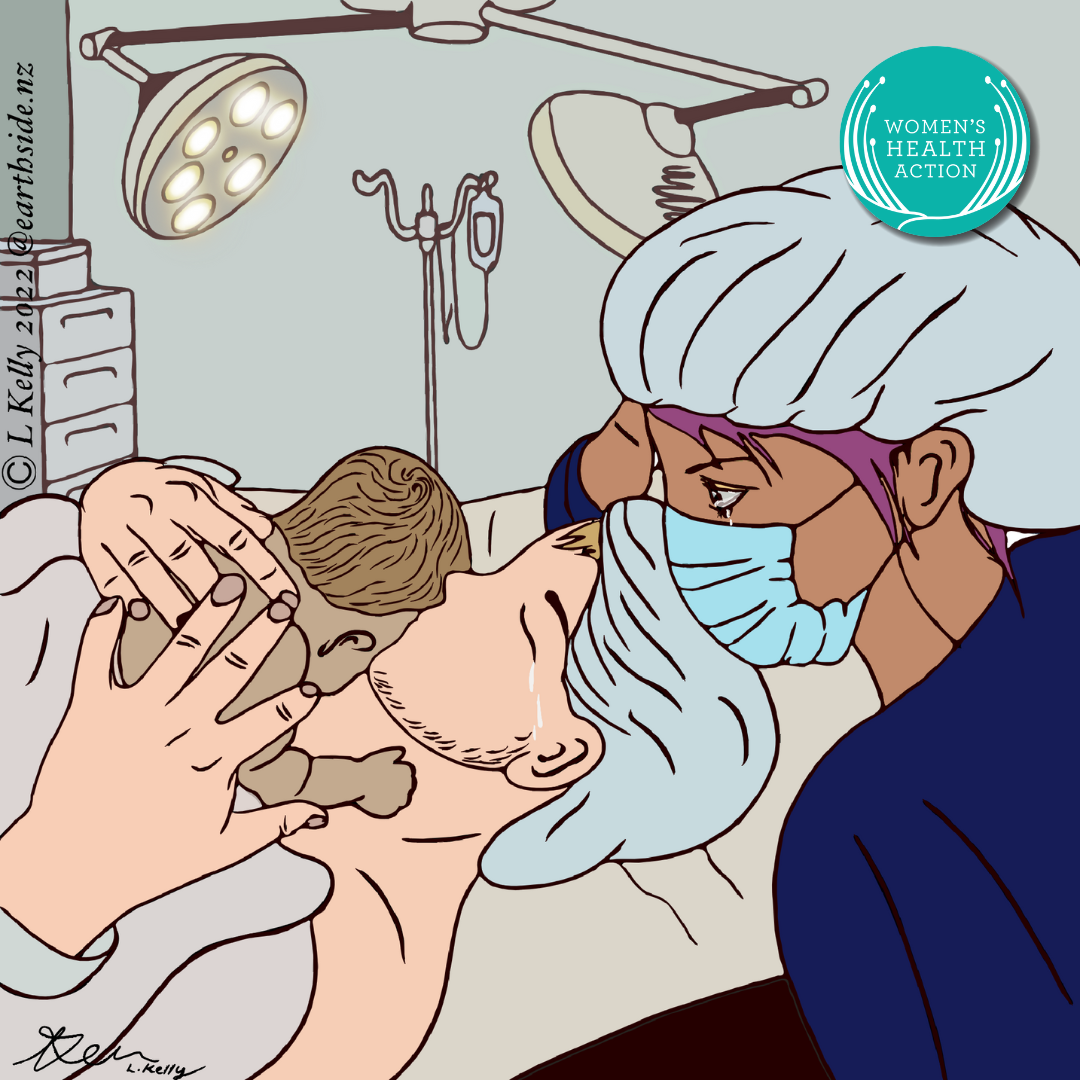
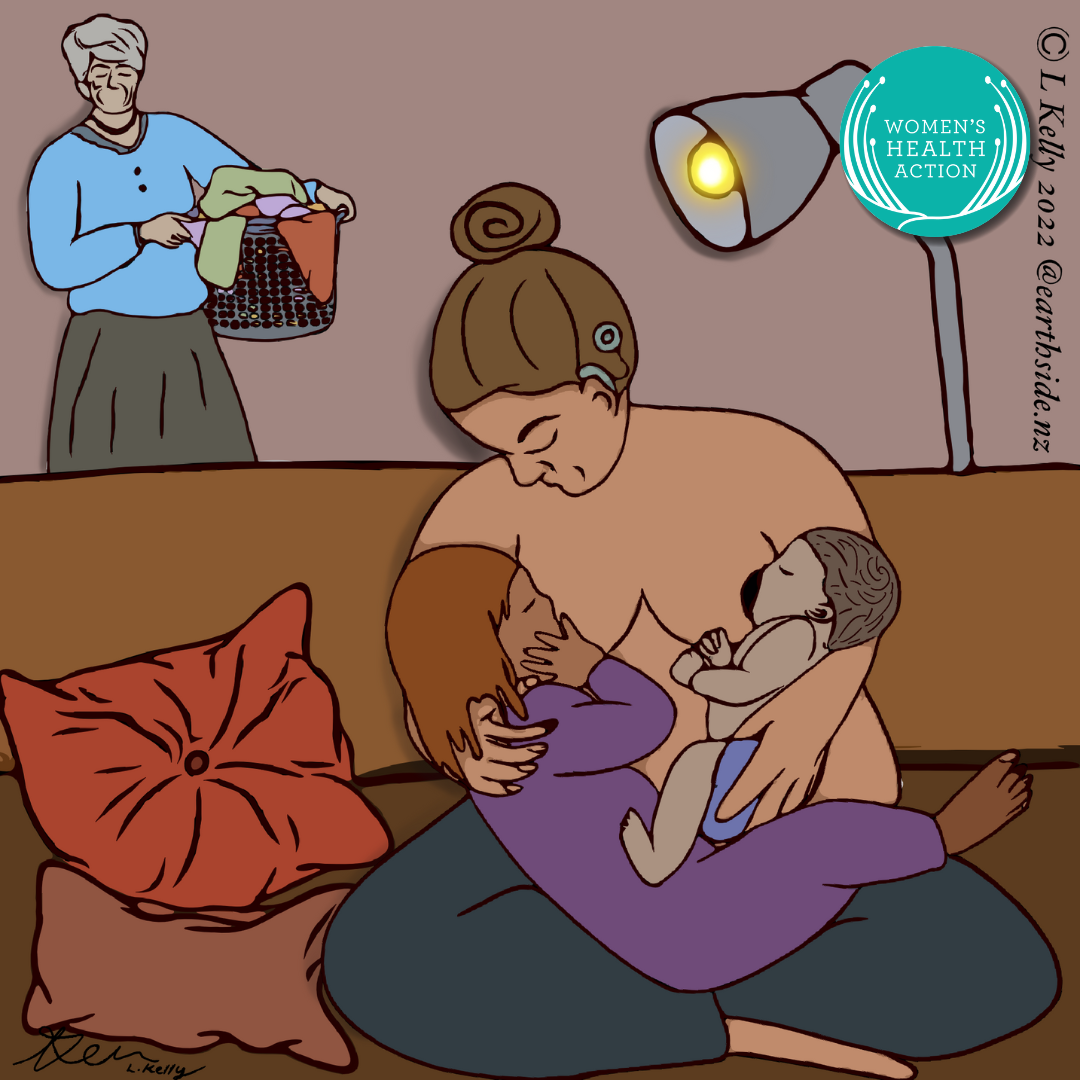
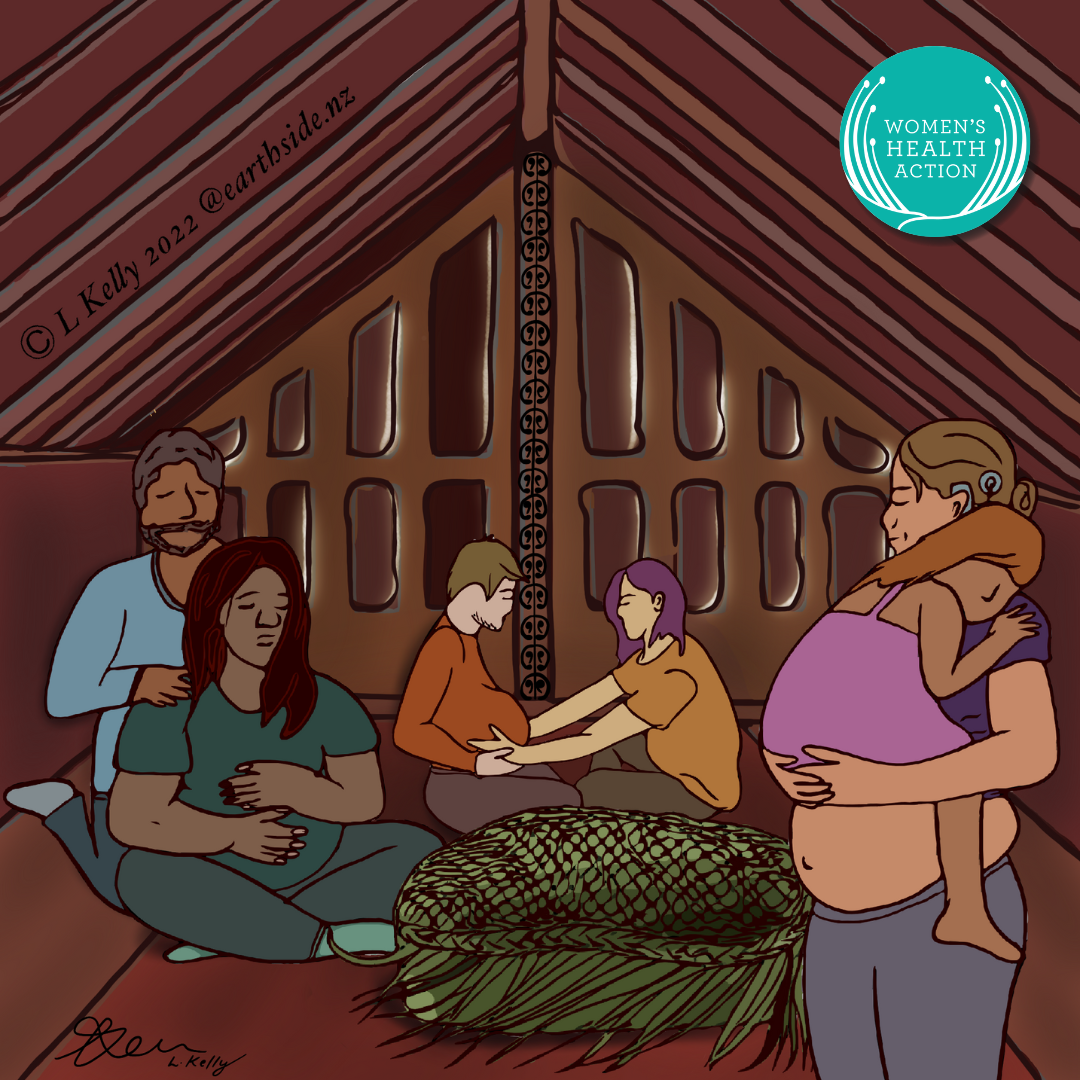
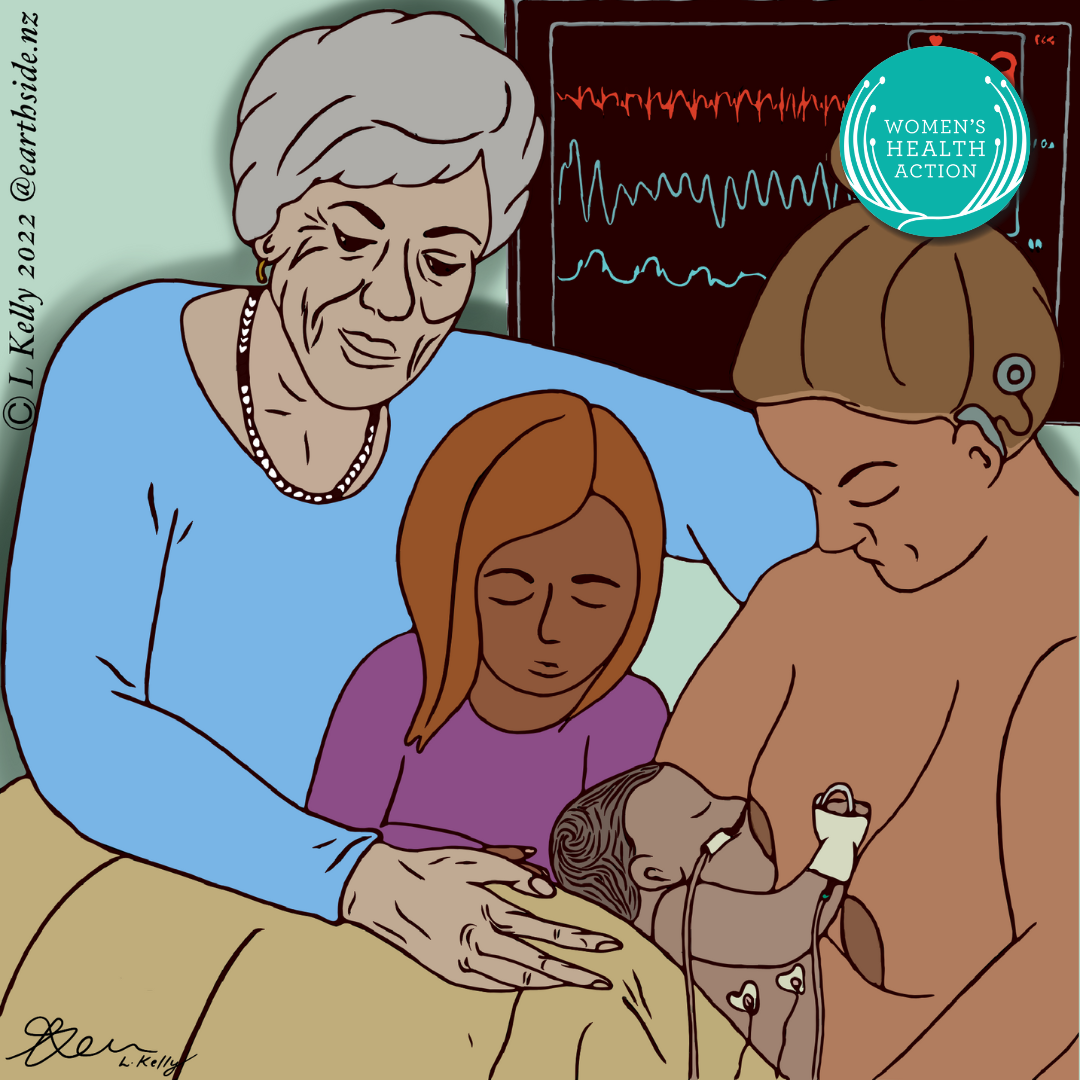
Breastfeeding and Chestfeeding Images for Rainbow Whānau
Our Gender Diversity Lead, Lou Kelly, designed these images in 2022. They reflect the unique journeys that many rainbow, gender diverse and trans people experience when making a family.
Click on the images below to download and/or print.




Further reading for transgender pregnancy in Aotearoa New Zealand
- Kirczenow MacDonald, Trevor. “Lactation Care for Transgender and Non-Binary Patients: Empowering Clients and Avoiding Aversives.” Journal of Human Lactation, March 28, 2019, 089033441983098. https://doi.org/10.1177/0890334419830989.
- “National: Transgender Man Has His Baby, Naturally: I Cant Breastfeed but a Lot of Mothers Dont: Daughter for Beatie after Ectopic Pregnancy Setback.” The Guardian (London, England), July 5, 2008. Health & Wellness Resource Center.
- Maxwell, Susan, Nicole Noyes, David Keefe, Alan S. Berkeley, and Kara N. Goldman. “Pregnancy Outcomes After Fertility Preservation in Transgender Men.” Obstetrics & Gynecology 129, no. 6 (June 2017): 1031. https://doi.org/10.1097/AOG.0000000000002036.
- “Pregnant Kiwi Dad-to-Be Getting Ready to Welcome First Child around Christmas | Stuff.Co.Nz.” Accessed April 9, 2019. https://www.stuff.co.nz/life-style/parenting/pregnancy/expecting/108554713/pregnant-kiwi-dadtobe-getting-ready-to-welcome-first-child-around-christmas.
- Glaser, Rebecca L., Mark Newman, Melanie Parsons, David Zava, and Daniel Glaser-Garbrick. “Safety of Maternal Testosterone Therapy during Breast Feeding.” International Journal of Pharmaceutical Compounding 13, no. 4 (August 2009): 314–17.
- Nogrady, Bianca. “Transgender Men Need Counseling on Contraceptive and Reproductive Choices.” OB GYN News, August 2018. Health & Wellness Resource Center.
- “Transgender Men’s Self-Representations of Bearing Children Post-Transition.” In Chasing Rainbows: Exploring Gender Fluid Parenting Practices. Demeter Press, 2013. https://dspace2.flinders.edu.au/xmlui/bitstream/handle/2328/35786/Riggs%20Transgender%20Men%202013.pdf?sequence=1&isAllowed=y&fbclid=IwAR3QY7RzA1XpJf-fS0fNj9JZ2ZEGqgw2IXmbhxwhGaxnEbXVrRvEkCuRSKg.
- “Transgender Youth Are as Likely to Become Pregnant as Other Adolescents.” NewsRx Health & Science, September 25, 2016. Health & Wellness Resource Center.
- MacDonald, Trevor, Joy Noel-Weiss, Diana West, Michelle Walks, MaryLynne Biener, Alanna Kibbe, and Elizabeth Myler. “Transmasculine Individuals’ Experiences with Lactation, Chestfeeding, and Gender Identity: A Qualitative Study.” BMC Pregnancy and Childbirth 16, no. 1 (May 16, 2016): 106. https://doi.org/10.1186/s12884-016-0907-y.